In it, Seth Mydans writes:
AS they marched through the streets of Myanmar’s cities last week leading the biggest antigovernment protests in two decades, some barefoot monks held their begging bowls before them. But instead of asking for their daily donations of food, they held the bowls upside down, the black lacquer surfaces reflecting the light.
It was a shocking image in the devoutly Buddhist nation. The monks were refusing to receive alms from the military rulers and their families — effectively excommunicating them from the religion that is at the core of Burmese culture.
That gesture is a key to understanding the power of the rebellion that shook Myanmar last week.
The country — the former Burma — has roughly as many monks as soldiers. The military rules by force, but the monks retain ultimate moral authority. The lowliest soldier depends on them for spiritual approval, and even the highest generals have felt a need to honor the clerical establishment. They claim to rule in its name.
Begging is a ritual that expresses a profound bond between the ordinary Buddhist and the monk. “The people are feeding the monks and the monks are helping the people make merit,” said Josef Silverstein, an expert on Myanmar at Rutgers University. “When you refuse to accept, you have broken the bond that has tied them for centuries together.”
Now that's moral authority, ingeniously and gracefully employed.
So...
If this
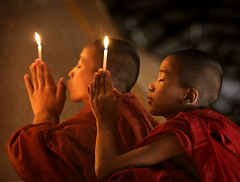 equals this
 should this
 equal this?
wow, well put. It seems we are ready to march here in america for many things...except the things that really count. This is certainly food for thought
ReplyDelete